Constant exhaustion?
Eight hours in bed and still running on fumes? Time in bed isn't the same as sleep. The question is what's happening during those hours.

A few reasons you might be tired all the time
Fragmented sleep you don't remember
Breathing events can wake your brain dozens of times a night without you ever knowing. You log eight hours and get the rest of four.
Not enough deep and REM sleep
It's not just total hours — it's the stages. Disrupted breathing keeps yanking you out of the deep stages where real recovery happens.
Sleep apnea's daytime tax
Low oxygen and constant micro-arousals leave you foggy, irritable, and craving naps — the classic apnea daytime picture.
Medical causes worth checking
Thyroid issues, low iron, depression, and some medications also cause fatigue. A sleep test and a primary-care visit cover both angles.
Lifestyle load
Late screens, alcohol, and erratic schedules degrade sleep quality. Worth fixing — but if fatigue persists anyway, look deeper.
Signs your exhaustion may be a sleep problem
- You sleep 7–9 hours and still wake unrefreshed
- You doze off during TV, reading, or as a passenger
- Coffee stopped making a difference a long time ago
- Brain fog, short temper, or trouble concentrating by afternoon
- You snore, or someone says you do
- Weekend catch-up sleep doesn't catch you up
Two or more of these together? That pattern is exactly what the home sleep test is built to explain.
Exhaustion is a symptom, not a personality.
Around 80% of people with sleep apnea don't know they have it — and unexplained daytime exhaustion is the single most common way it hides. If your energy has quietly become the thing you plan your life around, one night of data can tell you whether your sleep is the reason.
One night of data beats years of wondering.
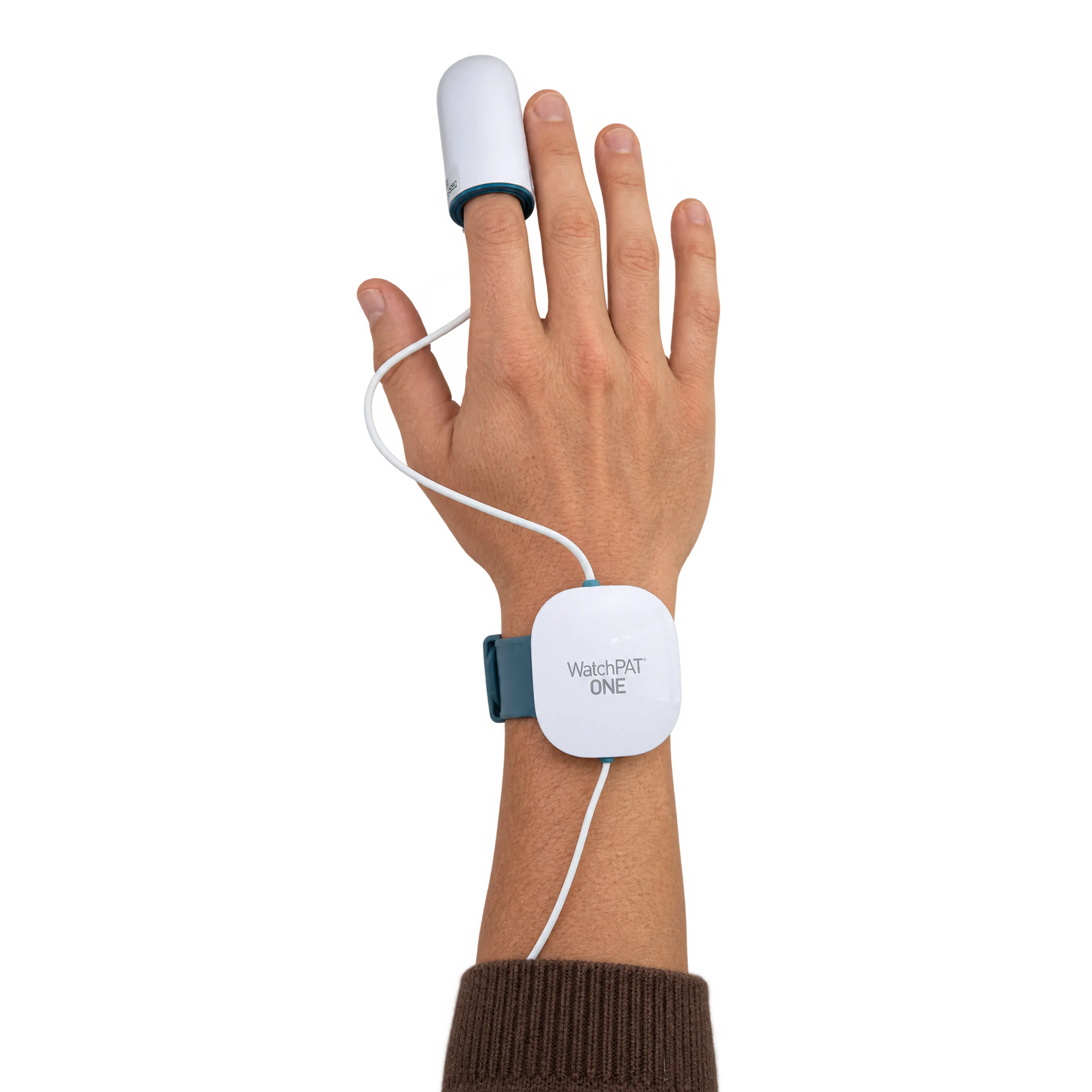
The home sleep test we trust.
- Test tonight, in your own bed — no clinic, no waiting list
- FDA-cleared, validated in 100+ clinical studies
- Board-certified sleep physician reviews every test
- Clear report in days, with a prescription if apnea is found
Before you decide.
Couldn't I just be busy and stressed?
Absolutely — which is why the pattern matters. Stress-tired improves with rest. Sleep-disorder-tired doesn't budge no matter how many hours you bank. If rest isn't fixing it, test it.
Will the test show why I'm tired even if it's not apnea?
It shows your true sleep time, stages, and how fragmented your night is — a useful picture even when breathing is fine. A physician reads every report.
How fast do I get answers?
Order, test the night it arrives, and a physician-reviewed report typically lands within a few business days.
Questions? Real humans answer. Usually within a few hours.
Email info@fixsnoring.com