Loud snoring?
Snoring is the sound of air fighting through a narrowed airway. Sometimes it's harmless noise. Sometimes it's the loudest symptom of sleep apnea. The difference is worth one night.

A few reasons you might be snoring loudly
A narrowing airway
As throat muscles relax during sleep, soft tissue vibrates as air squeezes past. The narrower the passage, the louder the sound.
Obstructive sleep apnea
When the airway doesn't just narrow but closes, snoring comes with silent pauses, gasps, and oxygen dips — that's apnea, not just noise.
Sleeping on your back
Gravity pulls the tongue and soft palate backward, narrowing the airway. Many people snore only, or mostly, on their back.
Congestion, alcohol, and weight
Blocked noses force mouth breathing; alcohol over-relaxes the throat; extra tissue around the neck narrows the passage. Each turns the volume up.
Anatomy
A deviated septum, large tonsils, or a naturally narrow throat can make anyone a snorer — thin, fit people included.
Signs your snoring may point to something more
- It's loud enough to hear through a closed door
- Someone has seen you stop breathing or heard you gasp
- You wake unrefreshed no matter how long you sleep
- You're sleepy during the day — meetings, TV, driving
- You wake suddenly with a snort or choking feeling
- You have high blood pressure
Two or more of these together? That pattern is exactly what the home sleep test is built to explain.
Snoring is a signal. Read it.
Loud, frequent snoring is the number-one symptom of obstructive sleep apnea — but you can't tell noise from apnea by listening. Only data can: how often your breathing pauses, where your oxygen goes, what position it happens in. The home sleep test measures all of it in one night, in your own bed.
One night of data beats years of wondering.
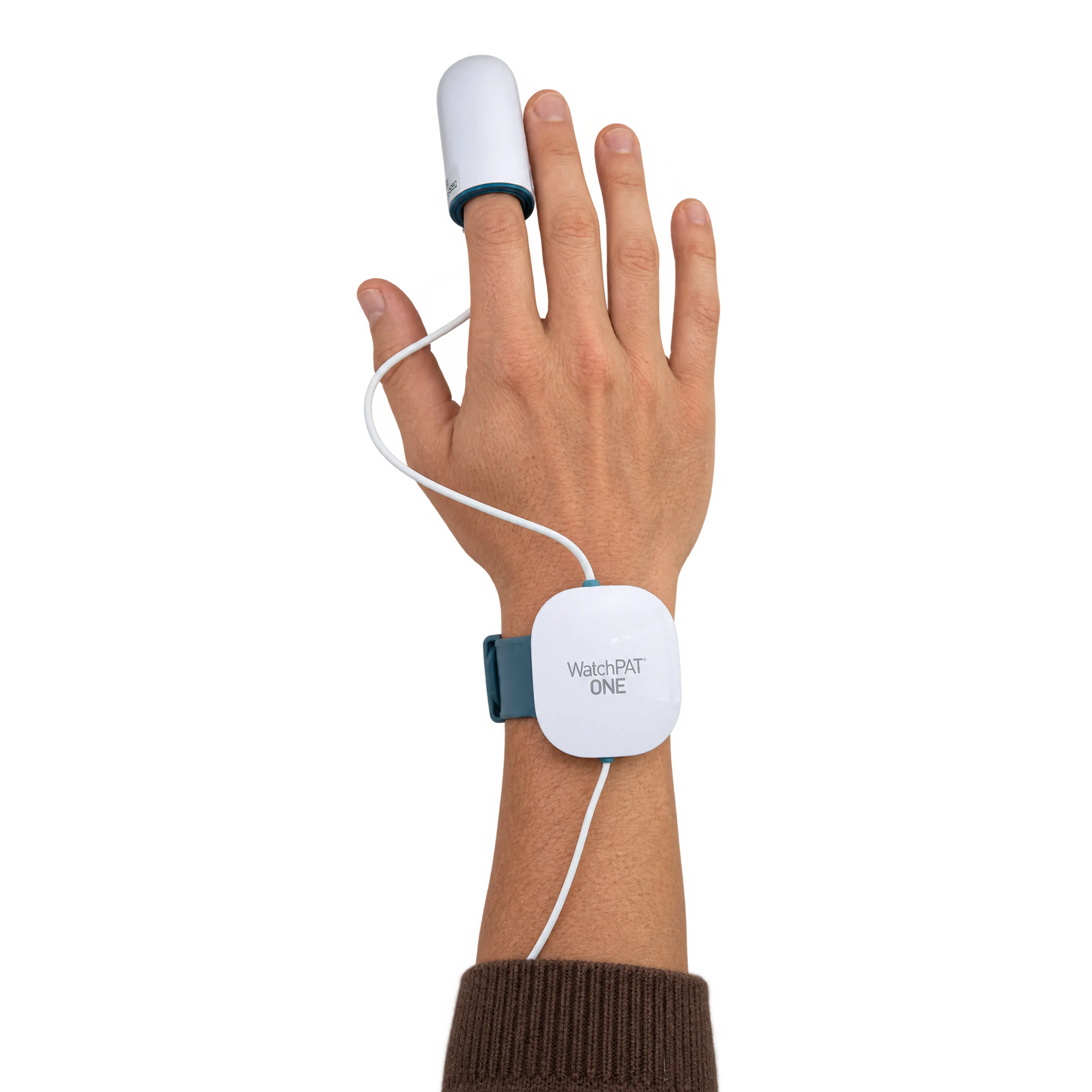
The home sleep test we trust.
- Test tonight, in your own bed — no clinic, no waiting list
- FDA-cleared, validated in 100+ clinical studies
- Board-certified sleep physician reviews every test
- Clear report in days, with a prescription if apnea is found
Before you decide.
Everyone in my family snores. Isn't it just genetic?
Snoring does run in families — and so does sleep apnea. Common doesn't mean harmless. If it's loud and nightly, one test settles whether it's noise or something more.
Can I just use an anti-snoring pillow or strips?
If it's simple snoring, position changes and nasal strips genuinely help. But if it's apnea, those only muffle the alarm. Test first, then fix the right problem.
Will the test bother my partner?
Less than the snoring does. The Wesper is two small wearable patches and a soft finger sensor — no masks, no wires across the bed, no noise.
Questions? Real humans answer. Usually within a few hours.
Email info@fixsnoring.com